
INCIDENT REPORT – The Sleep Architecture Mystery 🛌

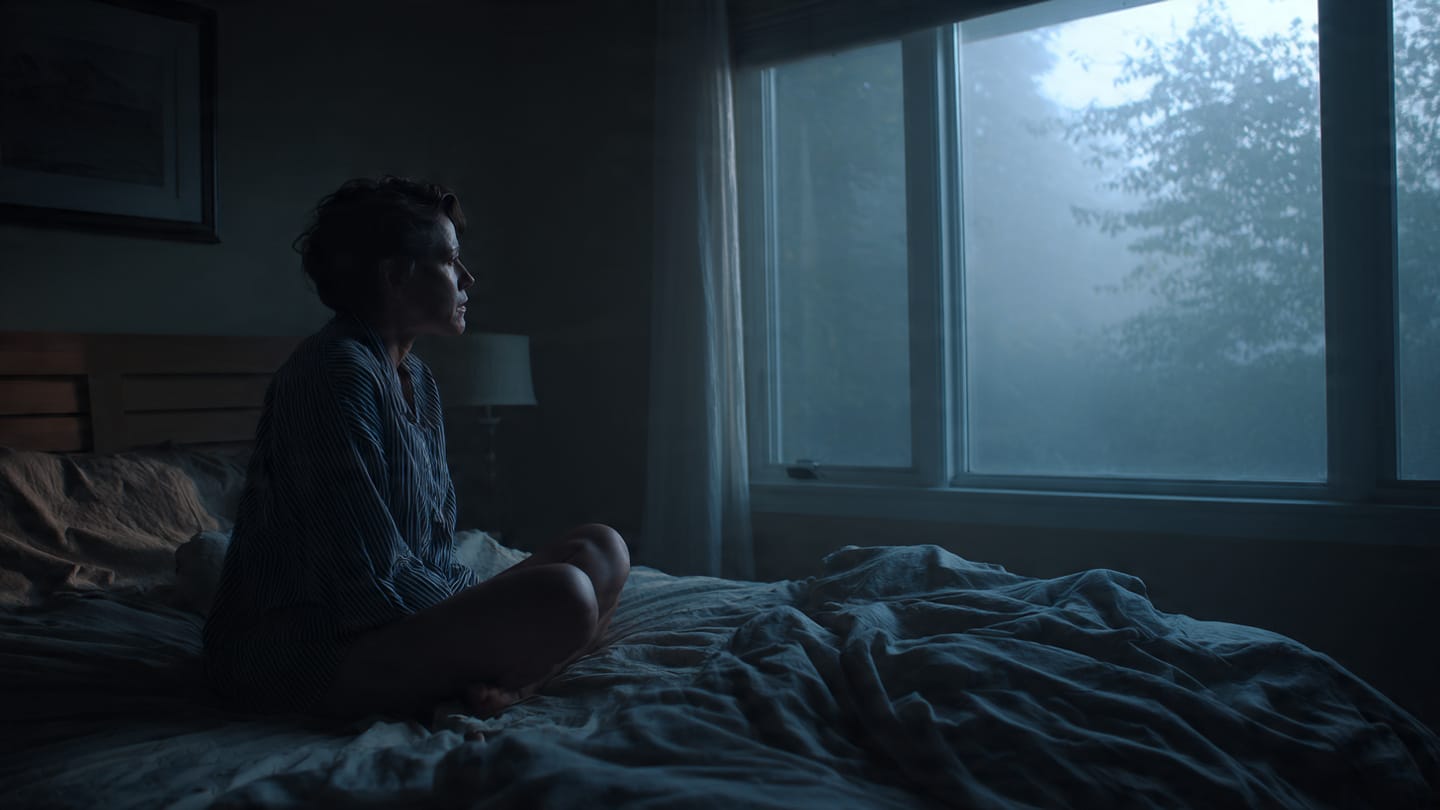
Case status: 8 Hours, Still Exhausted
Your watch says you slept “pretty well.”
Your body files an appeal.
You did the respectable 2026 routine: turned the lights down, tried to be in bed by a reasonable hour, maybe read on a Kindle, maybe watched “just one more” episode with the autoplay off this time. Whether you’re 38 with kids or 68 with grandkids, you did the thing everyone says you’re supposed to do – you actually went to bed.
And yet you wake up feeling like you spent the night on a layover, not a destination.
Eyes open, limbs heavy, brain two steps behind the alarm.
🧩 That’s the mystery:
You’re getting time in bed.
You’re not always getting sleep your brain and body can use.
Sleep Scores vs. What Your Brain Actually Did
Most of us check our sleep like we check our bank app:
quick glance, vague stress, move on.
But under that one number there’s a whole crime scene:
- How long it took you to drop into real sleep after doomscrolling under 5000K LED light in your bedroom.
- How often your brain yanked you back toward the surface because of light, noise, blood sugar dips, or a late glass of wine.
- How much time you actually spent in the phases that repair tissue, clear waste, and stabilize mood – not just lying there.
Wearables infer “deep” and “REM” from movement and heart rate. They’re getting better, but they still miss nuance. Experts are literally warning that sleep trackers have limits and can fuel a new kind of anxiety – orthosomnia – where people sleep worse because they’re obsessed with their score.
Sometimes your body feels awful after an “85.”
Sometimes it feels strangely okay after a “70.”
The architecture matters more than the badge.
City Light, City Brain 💡
New York at 2 a.m. is not built for melatonin.
Streetlights, LED billboards, neighbor’s TV glow, your laptop screen, your phone “just for a second” in bed – all of it tells your circadian system: we’re not done yet.
Studies are pretty blunt about it:
bright, cool‑temperature light before bed stretches out the time it takes to fall asleep and shifts your internal clock later, even if you’re “in bed on time.”
City living means you can technically go to bed earlier and still be sleeping at the wrong biological time.
So you wake up at 6:30 a.m. for work with a brain that thinks it’s 3 a.m. in its own time zone.
Your tracker logs 7.5 hours.
Your neurons log jet lag.
Trends the Body Isn’t Buying
Last week’s feed in the U.S. has been full of:
- “Sleep stacking” – magnesium, glycine, ashwagandha, peptides, CBD, all in one nightcap. 😴
- Mouth taping, 90‑minute sleep cycles, bed‑rotting, “sleep pods,” and AI‑personalized sleep plans using wearable data.
Here’s the unsexy part from the medical side:
- Most supplements haven’t caught up with solid evidence for chronic insomnia.
- Staying in bed for hours “rotting” with your phone can actually make insomnia worse and tangle anxiety deeper into your sleep routine.
- ML‑driven, hyper‑personalized sleep interventions are coming and honestly look promising – but even those still have to work with the basics: light, timing, movement, food, stress.
Your sleep architecture is still built by biology, not trends.
G‑sleep, glymphatic clearance, synaptic pruning, memory consolidation – they don’t care what’s on Instagram. They care when you dim the lights, how often you wake, and whether your nervous system believes it’s safe to go offline.
Why 8 Hours Can Still Feel Like Nothing 🧠
When patients sit in front of me and say,
“My ring says I sleep enough, but I wake up wrecked,”
the pattern is usually some version of:
- Sleep latency stretched by late light and late scrolling.
- Deep sleep shaved by alcohol, late meals, or cortisol spikes at 2 a.m.
- REM chopped up by noise, worry, or that 3 a.m. “check one thing” reflex.
On a chart, that looks like:
- total sleep time “normal,”
- but the distribution of stages and timing misaligned with their biological clock.
You didn’t just lose hours. ⏱️
You lost the right minutes in the right phases.
Closing Observation
If you’re doing everything “right” by the internet – the mocktail, the supplements, the perfect sleep routine – and still waking up like you got hit by a quiet truck, it’s not because your body betrayed you.
It’s because the city, the light, the notifications, the late meals, the anxious checking of your own data are all co‑authoring your sleep architecture.
Your watch can tell you how long you were horizontal.
Only your body can tell you how much of that counted.
Tess Marlowe 👩🏻⚕️🕵🏻♀️